Scoliosis Screening
& Treatment

Early detection can help prevent spinal curvature from worsening and improve long-term posture, mobility, and quality of life.

Book an Appointment

What is Scoliosis?

Scoliosis is a condition where the spine curves sideways in an abnormal “S” or “C” shape. It can affect children, teenagers, or adults, and may worsen over time if left untreated.

A. Structural Scoliosis

A fixed spinal curvature caused by structural changes in the spine. This type may require monitoring or treatment depending on severity.

  • Idiopathic Scoliosis – most common, unknown cause, often develops in adolescence
  • Degenerative Scoliosis – age-related spinal wear and tear
  • Neuromuscular Scoliosis – linked to nerve or muscle conditions
  • Congenital Scoliosis – present at birth due to spinal development issues

B. Non-Structural (Functional) Scoliosis

A temporary spinal curve without permanent structural changes.

Common causes:

  • Poor posture
  • Muscle imbalance
  • Leg length difference
  • Muscle spasm or pain

Non-structural scoliosis may improve once the underlying cause is treated.

Signs & Symptoms of Scoliosis

Common signs include:

  • Uneven shoulders
  • One hip higher than the other
  • Visible spinal curvature
  • Leaning to one side
  • Rib
    prominence
  • Clothes fitting unevenly
  • Back pain (in some cases)
Wave

How is Scoliosis Diagnosed?

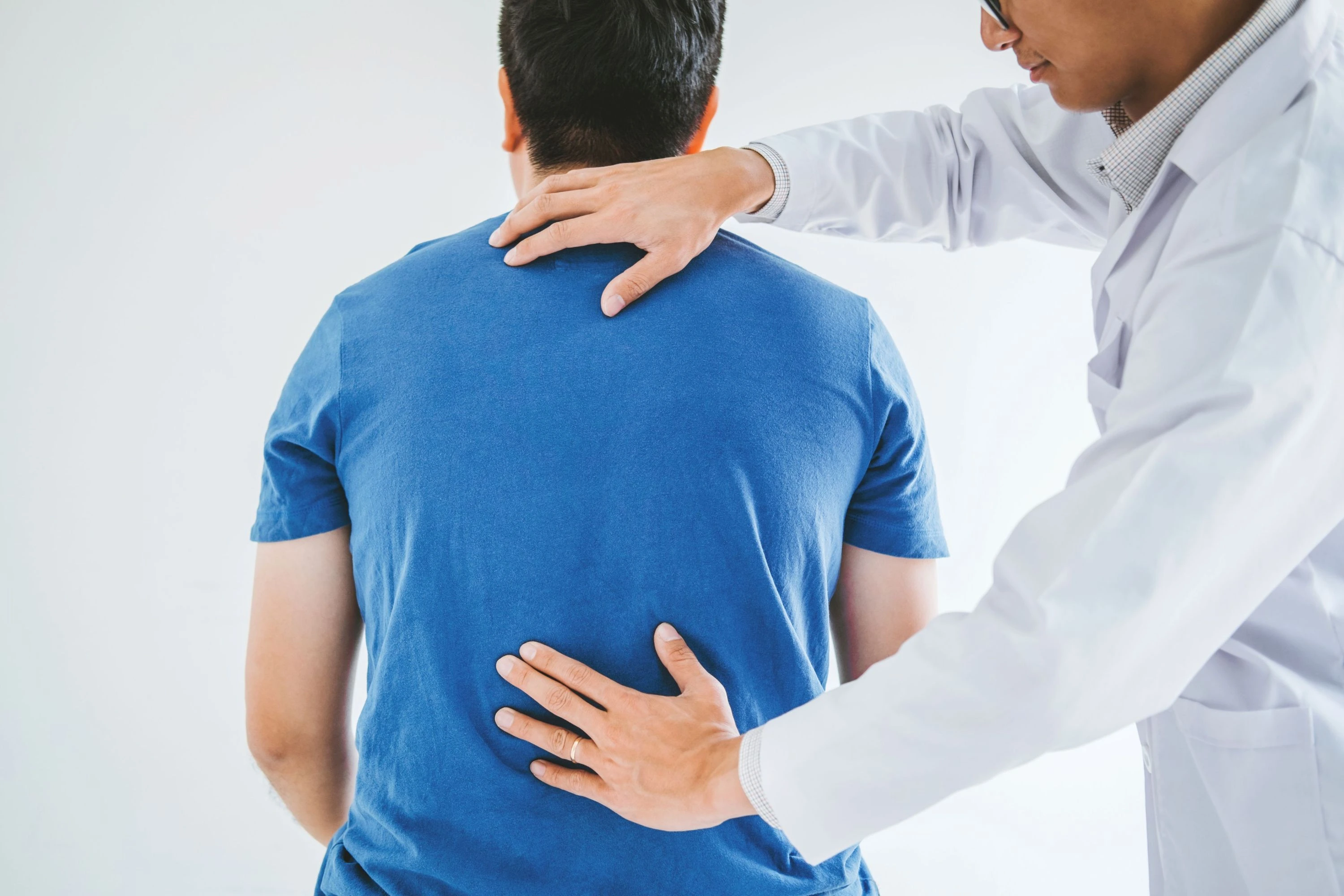
Physical examination for scoliosis
Physical Examination
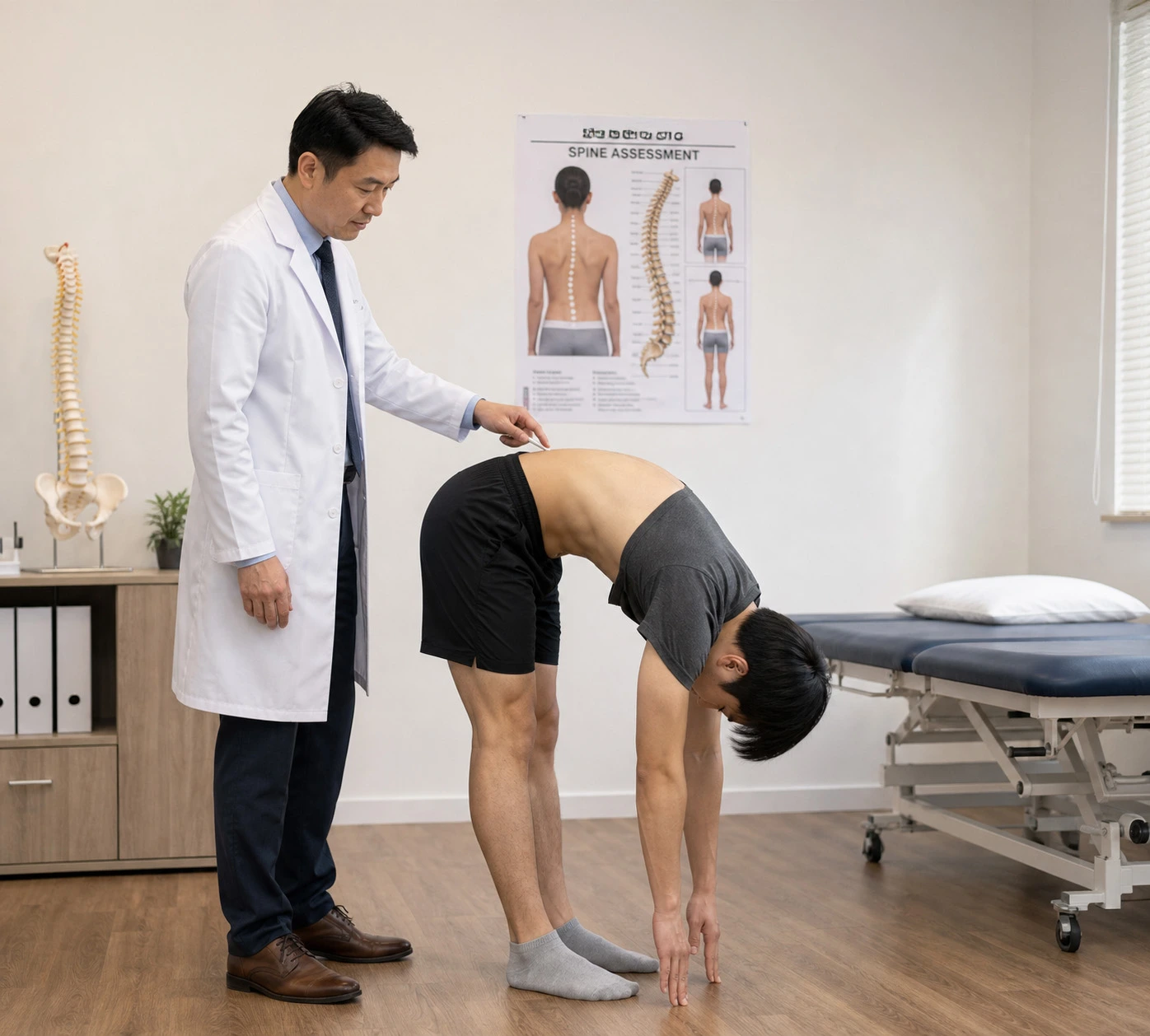
Adam’s forward bend test
Adam’s Forward Bend Test
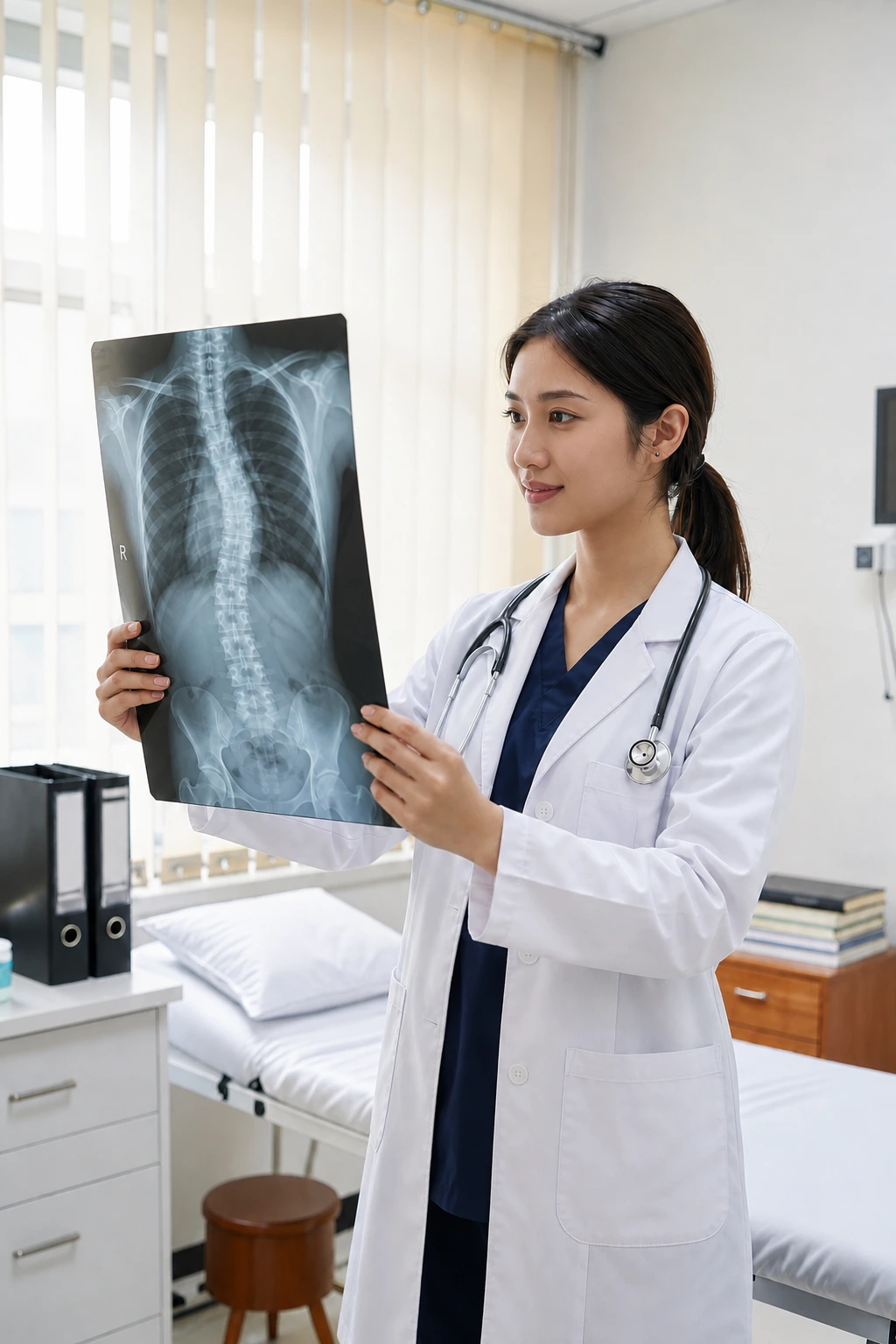
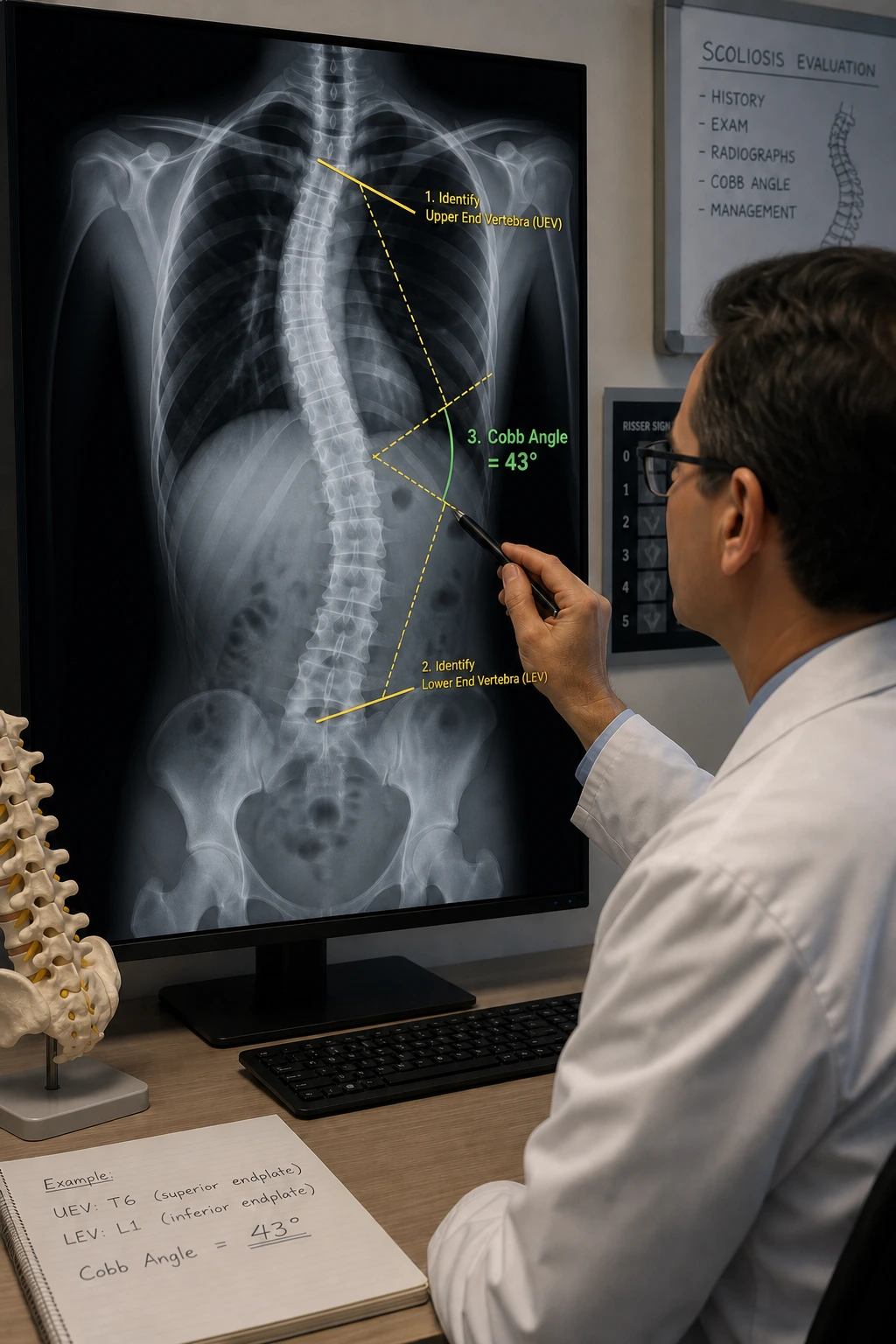
X-ray imaging of the spine
X-ray Imaging
Cobb angle measurement
Cobb Angle Measurement (to assess curve severity)
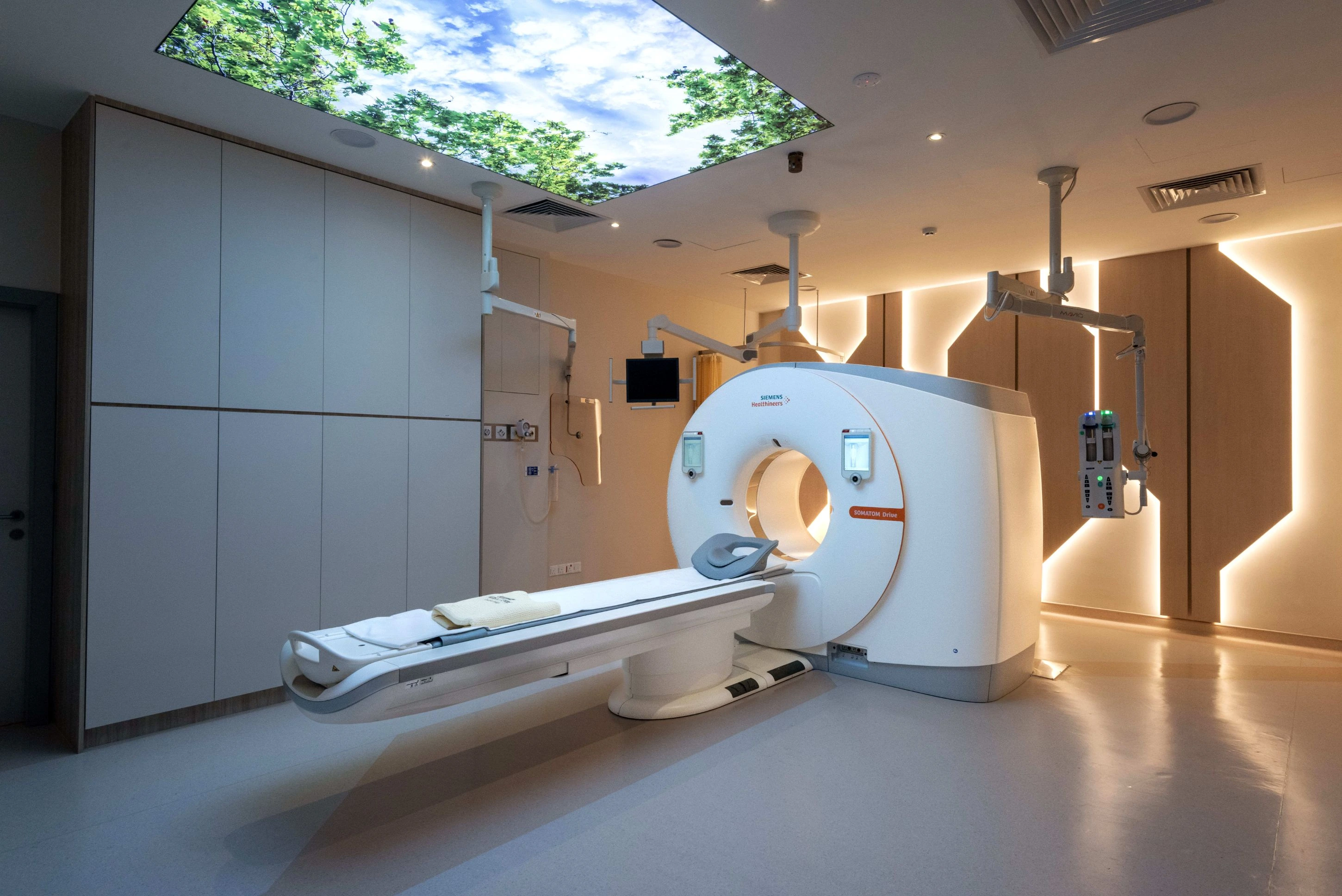
MRI or CT scan
MRI/CT Scan (if needed)

Why Early Screening Matters

  • Detect progression earlier
  • Prevent severe spinal curvature
  • Reduce risk of surgery in some cases
  • Improve treatment outcomes
Wave

Scoliosis Treatment Options

Treatment is individualised based on spinal curvature, age, and risk of progression, as assessed by a spine specialist.

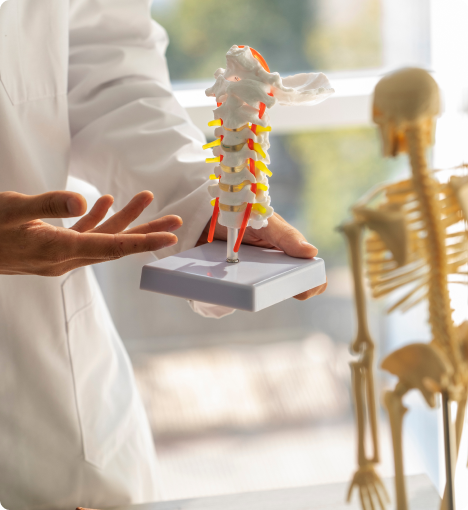
Specialist explaining scoliosis treatment with a spine model

Non-Surgical Scoliosis Management

This aims to manage symptoms and reduce the risk of curve progression.

  • Bracing
  • Physiotherapy
  • Rehabilitation
  • Pain management
  • Exercise programmes

Surgical Treatment

Recommended for significant or progressive spinal curvature.

  • Deformity correction surgery
  • Multidisciplinary spine care
Wave

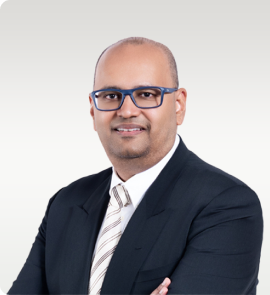
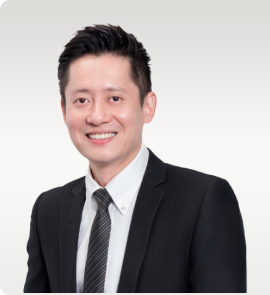
Meet Our Orthopaedic Specialists

Learn more about scoliosis symptoms, diagnosis, Cobb angle, and treatment options including bracing and surgery. Early screening by a spine specialist may help improve outcomes.

Dr. Deepak A/L Ajit Singh

Dr. Deepak A/L
Ajit Singh

Consultant Orthopaedic Surgeon

Enquire Now

Contact Us Today For
Screening & Treatment

whatsapp

WhatsApp Us
Click to chat